Rustlers Walk
A 1996 field recording of Terence McKenna walking through a canyon landscape with companions, trading observations across geology, indigenous burial practices, and epistemology. The conversation moves from the technical - crustal displacement, geomagnetic reversal, the 6,000-foot drop - to the personal, with McKenna recalling childhood searches for tree-burial baskets in pinyon country. Recurring questions about knowledge and certainty anchor the walk.
transcriptmachine-transcribed, unedited
See, they're also thick. Some of them are symbiotic communities. Every different color is at least two.
It's amazing how in color they're symbiotic with the rock.
So in this kind of country where I grew up, in places like this, what the great thing to look for was the bones and money.
Because the Indians would somehow dry the dead people and then put them in baskets and hang them in the pinyon trees, which was the tree, as we'd pray.
And so when we were kids, we would go out rock hunting in one of these kinds of areas with the great hope to find one of these tree baskets.
Smoked it.
Keep her soft.
With the seeds with them.
Geez.
But they always grow out of cracking rocks.
They never grow out of cracking rocks.
And so is there rock carving or rock painting on the surface?
There are. On cliffs over there, we found some.
But we haven't found...
See, those are typical examples of African trees with the little bushes over there.
Those two on the other bank.
I mean, those are old trees. They're only 10 foot in height.
Yeah.
Barely good soil.
Imagine trying to grow those four pylons.
I remember how hard it was to get across to that spot.
Yeah, I remember.
Ah.
Was there ever water gushing down this...
Oh yeah, every time it rained.
That must be a wonderful sight, eh?
This whole valley is rock.
And as we go in, you'll see that the soil on the rock is only 50 feet.
And there's 30 or 40 species of square meter.
On this fragile soil layer.
Oh, they get some sort of...
So there's no sea pitch at all.
I mean, all the water runs straight to the bottom.
The whole bottom is rock.
You know, it goes straight down into the ground.
Is it worthwhile walking further?
Well, you can walk for as long as you want.
No job.
This is me talking to them.
I'm not sure where they're heading to, but...
No, they're going to go to the top of this thing.
What possibilities are in?
They're in the deep.
Or do you have a nice spring in there?
Yeah.
I don't know.
How do I know?
How do I know that I know?
How do I know that I know that I know?
Only question is, why don't I know?
What is clouding?
That's the question.
Why don't I know?
Why don't you know?
I don't think I can answer this one.
Mike?
Do you know about this?
You don't know either.
The Karoo face.
Yeah.
What's that?
As always here.
As always.
Aha.
And what's the...
That's crust as a whole.
It's like the skin of an orange or something.
Before you peel it, you press it, the whole thing is actually floating.
Right.
So the crust can actually move on the outside of the core or something.
And then there's also the idea of geomagnetic reversal where nothing physical moves,
but the field reverses polarity.
And during the time when it's not defined, and nobody knows how long that lasts, like
six weeks or 6,000 years, but it's a very unusual situation for the Earth today.
Isn't so much distance about to happen?
Always.
What is this going to look like?
Suddenly noticed under the bar.
We're all right.
Please talk a little bit more.
hello.
There's all the birds going the wrong way.
Are there limestone caves or anything?
I don't think there's any limestone.
Oh, sorry, grandson.
I'm in that quintessentional next head stage.
Why?
Is this a stretching?
Did it drop from top to water or in the whole descent of the river?
No, it's from the canyon edge to the river 6,000.
If you can go straight down?
Well, not straight down, but country like this where it bluffs and you have huge table things and rivers cut in between.
It's no good for a bungee then?
No, no, no.
It's like skydiving.
I heard it was massive, but I didn't conceive it was going to be 6,000 feet.
It's deep.
You really can't climb it.
It's actually massive.
The actual one.
It's waves.
There's obviously...
Above the water.
Yeah, above the water.
It's supposed to be ice.
It's a long way from the ice.
Should we be getting up there or should we be the first one to go?
Nothing at all.
I can see them.
Yeah, that's true.
Is this one?
Yeah.
This is kind of awful.
It's shaking.
There's one of those.
Oh, you're right.
There's one there.
Yeah.
The other one.
There you go.
So in this kind of country where I grew up in places like this, what the great thing
for was with homes and money.
Because the Indians would somehow dry the dead people and then put them in baskets and
hang them in the Pinion Trees which was the tree at the time.
And so when we were kids we would go out rock hunting in these countries with the great
hope to find what they did.
to find one of these tree baskets.
Smoked it.
.
Oh yeah, every time it rains.
That must be a wonderful sight, eh?
This whole valley is rock.
And as we go in, you'll see that the soil on the rock is only about inch deep.
And there's 30 or 40 species in the square meter on this quadrama.
Oh, they get some sort of...
So there's no sea pitch at all. All the water runs straight to the bottom.
The whole bottom is rock.
It goes straight down into the ground.
This is the drift while we're walking further.
Yeah, you can walk for as long as you want.
No joke.
This is me talking to you now.
I'm not sure where they're heading to here.
No, they're going to go to the top of this thing.
What possibilities are in?
They're in the peak.
Or they're in the spring.
Yeah.
I hope they are.
I don't know.
No, I don't know.
I don't know.
The only question is, why don't I know?
What is clouding the surface?
Ask this question.
Just say it. Fill yourself in.
Ask me, why don't I know?
Why don't you know?
I don't think I could answer this one.
Mine?
Yeah.
You know about this.
So you don't know either?
The Karoo face or not?
Yeah.
You know.
What family is this?
Azuaceae.
Aha.
And what's the...
That's crust as a whole.
It's like the skin of an orange or something.
Before you peel it, you press it, the whole thing is actually floating.
Right.
So the crust can actually move on the outside of the core or something.
And then there's also the idea of geomagnetic reversal where nothing physical moves, but
the field reverses.
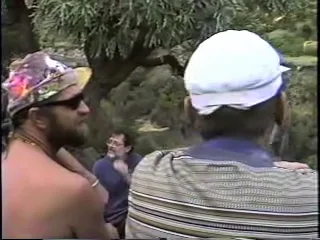
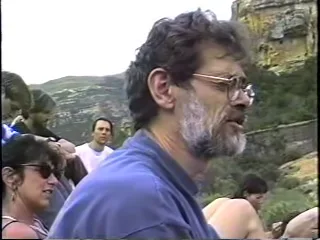
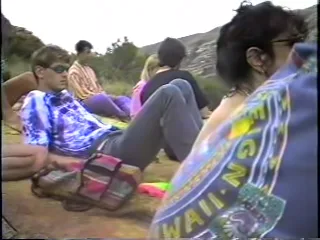
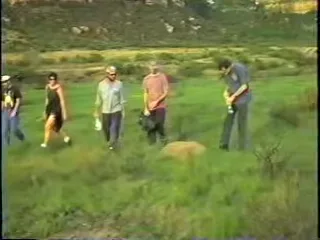
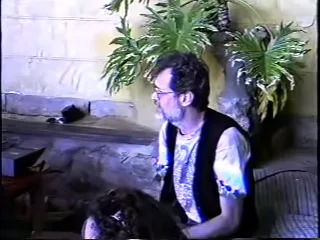
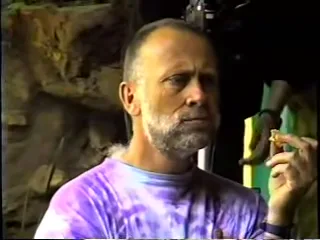
terence mckenna recorded at rustlers south africa in 1996 speaking about self-reliance exploration and psychedelic experience
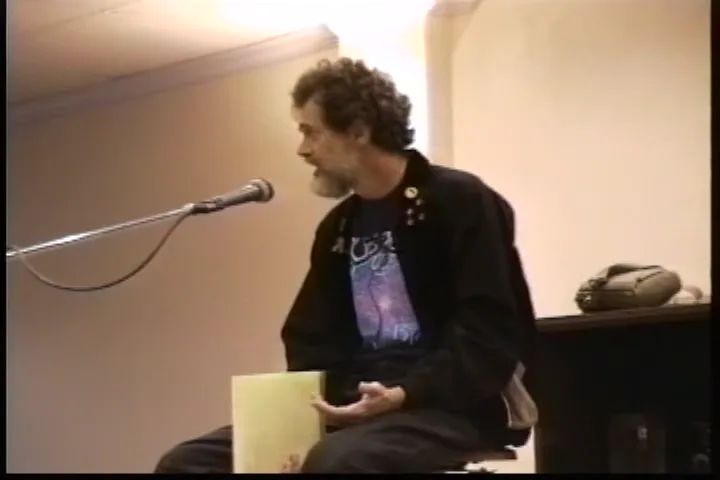
terence mckenna delivers his 1995 talk on human consciousness and evolutionary theory in sacramento challenging mainstream scientific explanations for the emergence of human intell