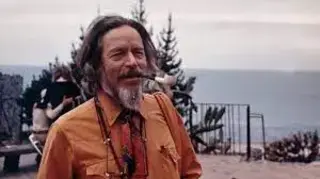
Alan Watts
speech-to-text transcripts of Alan Watts - talks on the Tao, Zen, meditation, and the Self.
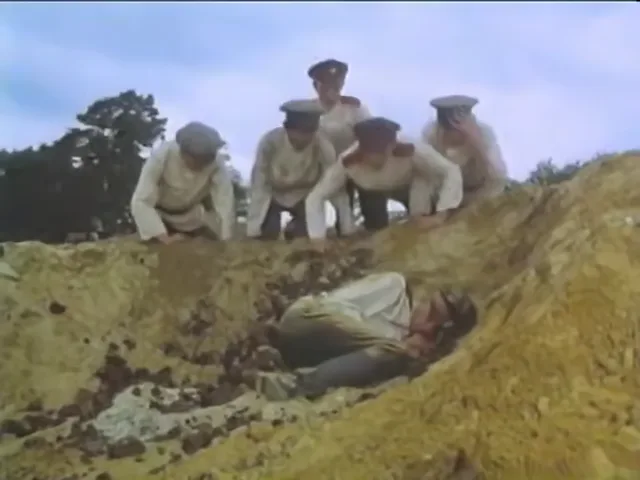
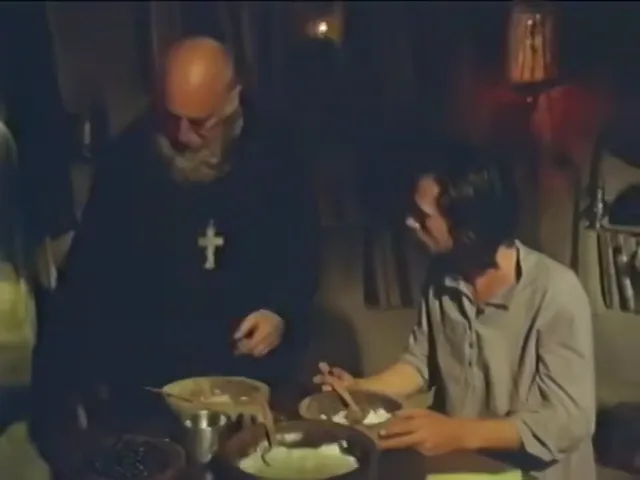
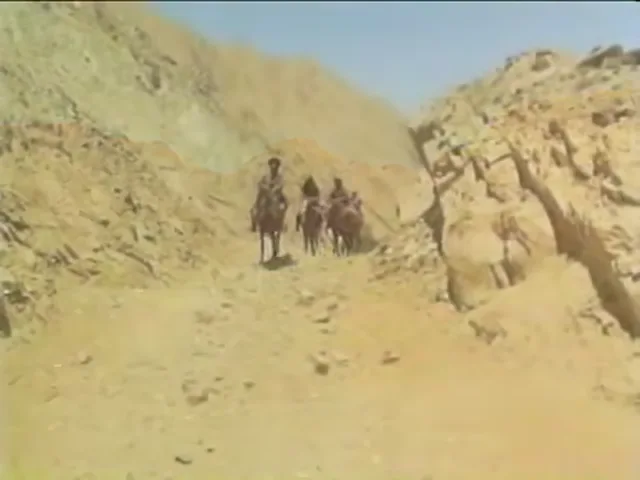
a 1979 film dramatizing g.i. gurdjieff's memoir of the same name, following his youth in the caucasus as he chases rumors of a hidden brotherhood holding ancient knowledge.
a 1968 esalen institute talk in which alan watts argues that political, financial, and technological crises all stem from confusing abstract symbols such as money and nationhood wi
alan watts opens a seminar talk in matsue, japan by recounting how childhood encounters with chinese and japanese art and lafcadio hearn's writing led him from anglican confirmatio
a seminar lecture surveying buddhism's roots in hindu cosmology, the split between theravada and mahayana schools, and nagarjuna's dialectical method for dismantling conceptual cli
a nine part radio series in which alan watts traces buddhism from its hindu roots through the four noble truths and zen dialogue to the huayan vision of a fully realized world that
a talk tracing how official psychiatry has become the west's new religion complete with heresy and excommunication, before turning to jesus's claim to be god and closing with a pla
a radio talk in which alan watts argues that western schooling, career and retirement culture is an elaborate hoax rooted in a false sense of separate personal identity, and refram
a 1973 philadelphia radio talk in which alan watts examines how the grammar of noun and verb, form and stuff, shapes our sense of reality.
argues that american civilization, despite its reputation for materialism, is actually anti materialistic, alienated from work, play, religion, and the body.
a radio eulogy for carl jung recorded weeks after his death, examining jung's views on the shadow, projection, and the reconciliation of good and evil.
a lecture to psychologists on metaphysics arguing that opposites such as positive and negative coincide as one, and that existence is best understood as playful and musical rather

a lecture on japanese pure land buddhism, contrasting jiriki (self power) and tariki (other power) through the worship of amitabha and stories of the myokonin saints.
a wfmu lecture in which alan watts argues that us drug prohibition itself fuels crime and corruption and that addiction should be handled by physicians rather than police.
a three part seminar tracing zen from its buddhist and taoist roots through early chinese masters to its direct pointing at ordinary suchness.
the complete first eastern and western zen radio series, six talks moving from taoist roots in lao tzu and zhuangzi through chinese and japanese aesthetics and the nature of zen mi
a 1960s lecture recorded before a live audience and broadcast on kpfk los angeles, in which alan watts argues the ecological crisis is rooted in religious and philosophical ideas t
a wfmu broadcast of an alan watts lecture arguing that ethics works like a viable game, requiring trust, risk, and rules that stay open to change rather than fixed commandments.
a seminar lecture tracing how music, art, cuisine, and religion evolve from simplicity into escalating refinement through competitive rivalry, illustrated at length by g.i. gurdjie
a lecture on zhuangzi's taoist philosophy, covering the value of uselessness, relativism, wu wei, and the eternal present moment.
a talk on the purposelessness of nature and human life, using a zen death poem, birdsong, and the parable of an ashtray to argue for trusting oneself rather than seeking meaning or

a 1971 lecture at the first unitarian church in san francisco in which alan watts uses the hindu goddess kali as a counterimage to god the father, arguing that fixed images of god
alan watts explains riji muge and jiji muge, the huayan buddhist principles of unity within particularity and universal interpenetration, using indra's net from the avatamsaka sutr
a kpfk los angeles broadcast in which watts argues, against kenneth rexroth, that ecstasy is a byproduct of insight rather than its goal.
a seminar talk contrasting christian and hindu cosmology, tracing the fall, the incarnation, and the double bind of guilt and grace, and closing with the symbolism of the christian